Understanding Form T776: A Rental Income Guide for Canadian Landlords
- robertaccounting
- 2 days ago
- 9 min read

Updated: 3 hours ago
Receiving rent is only the start of rental tax reporting in Canada. For individual landlords, the real work is sorting out what was earned, what can be deducted, who owns what share, and whether any capital cost allowance was claimed.
That work usually comes together on Form T776, Statement of Real Estate Rentals. This form helps calculate gross rental income, deductible expenses, and the final net rental income or loss that flows into a personal tax return.
This guide is for general information only. It is not tax, legal, or financial advice. Rental properties can create complex tax issues, especially when there is co-ownership, personal use, short-term rental activity, refinancing, renovations, or a future sale. Speak with a licensed accountant or tax professional before filing in complicated situations.
What T776 does for Canadian rental reporting
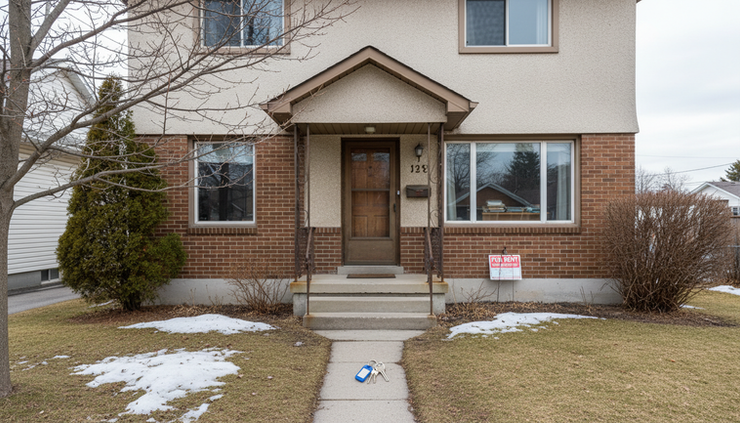
T776 is the Canada Revenue Agency form used by individuals to report real estate rental income and expenses. If a person owns rental property, the information from T776 is usually included with the T1 personal income tax return.
The form can apply to many common rental situations, including:
A detached house rented to tenants
A condo unit rented for the year
A basement suite in a principal residence
A vacation property rented part of the year
A room or portion of a home rented to someone else
A property owned by more than one person
The purpose of T776 is not simply to reduce tax. Its main purpose is to calculate the correct taxable rental result.
Rental income is not usually taxed based only on the gross amount collected. Landlords can deduct reasonable expenses that relate to earning rental income. The result is either net rental income or a rental loss.
A simple example looks like this:
Item | Amount |
Gross rent collected during the year | $24,000 |
Deductible rental expenses | $9,000 |
Net rental income | $15,000 |
The $15,000 net amount is generally included with other income, such as employment income, investment income, or self-employment income. If expenses exceed income, T776 may show a rental loss. Whether that loss can be used against other income depends on the facts, including whether the rental activity has a reasonable expectation of profit and whether capital cost allowance is involved.
The main parts of T776 are connected
T776 can look like a routine tax form, but each section affects the final result. The Canada T776 Rental Income Guide for Landlords and Tax Filers is best understood as a flow from property details to final net income.
The form generally asks for information in five areas:
The rental property and ownership details
Gross rental income
Current expenses
Capital cost allowance, also called CCA
Net rental income or loss
Each part matters because rental income is tied to both the property and the owner. A landlord who owns 100% of a condo reports differently from a person who owns 25% of a jointly held duplex. A homeowner renting one basement suite reports differently from someone renting an entire house.
Property details set the foundation
T776 starts with basic property information. This may include the rental property address, rental period, ownership share, co-owner details, and whether the property is part of a partnership.
This section matters because it tells the CRA what property created the income and how the income and expenses should be allocated.
Common details include:
Property address
Period of rental use during the year
Name of the owner or co-owners
Percentage owned by each person
Whether the property was fully rented or partly rented
Whether the activity was a partnership
If two people each own 50% of a rental house, each usually reports 50% of the rental income and 50% of the expenses. If one person owns 25%, that person usually reports 25%.
The correct percentage should reflect the legal and economic arrangement. Useful records may include the purchase agreement, title registration, mortgage documents, partnership agreement, or written co-ownership records.
This is especially important when family members own property together. The person who collects the rent is not always the only person who must report it. Ownership and beneficial interest matter.

Rental income means more than monthly rent
Gross rental income usually includes the rent paid by tenants. In some cases, it can also include other amounts connected to the rental property.
Examples may include:
Parking rent
Storage locker rent
Laundry machine income
Extra charges paid by the tenant for services
Compensation for early lease termination
Amounts withheld from a deposit to cover unpaid rent
Security deposits are not always income when received. If a deposit is refundable and simply held as security, it is generally not treated the same as rent at the time of receipt. If it is later applied to unpaid rent or damages, tax treatment may change. Provincial tenancy rules also matter.
Landlords should also be consistent with the method used to report income. Many individual landlords use the cash method, meaning income is reported when received and expenses are deducted when paid. Some may use the accrual method, which reports income when earned and expenses when incurred.
The key point is consistency. A landlord should not switch methods from year to year just because one method creates a better result for that year.
Deductible expenses must relate to earning rent
The expense section of T776 is often where mistakes happen. The basic rule is simple: an expense must be reasonable and connected to earning rental income.
Common deductible rental expenses include:
Advertising
This can include listing fees, online rental ads, signs, and other costs used to find tenants.
Insurance
Rental property insurance, landlord coverage, and liability insurance may be deductible. If a property is partly personal and partly rental, only the rental portion should be claimed.
Repairs and maintenance
Fixing a leak, patching drywall, cleaning carpets between tenants, replacing a broken lock, or servicing a furnace may qualify as current repairs.
Mortgage interest
Interest on money borrowed to buy, improve, or maintain the rental property is often deductible. Principal repayments are not deductible.
Property taxes
Municipal property taxes that relate to the rental period may be deductible.
Utilities and condo fees
If the landlord pays for heat, electricity, water, waste charges, or condo fees, the rental portion may be deductible.
Professional fees
Accounting fees, legal fees, and certain lease-related costs may be deductible when they relate to the rental activity.
Property management fees
Amounts paid to a property manager or rental agent may be deductible.
Travel and vehicle costs
Some travel costs may be deductible when they are reasonable and clearly tied to rental work, such as collecting rent, inspecting the property, or arranging repairs. Good records are essential. Personal errands cannot be blended into rental claims.
A practical habit helps: keep receipts, invoices, bank records, e-transfer confirmations, mileage logs, and lease documents in one place. If the CRA asks for support, the total on T776 should be easy to trace to real records.
Repairs and capital expenses are not the same
One of the most important distinctions on T776 is the difference between a current repair and a capital expense.
A repair usually restores the property to its previous condition. It keeps the property usable, but it does not significantly improve it beyond what was there before.
Examples may include:
Repairing a small roof leak
Replacing a broken windowpane
Fixing a damaged door handle
Servicing an existing furnace
Repainting after tenant wear and tear
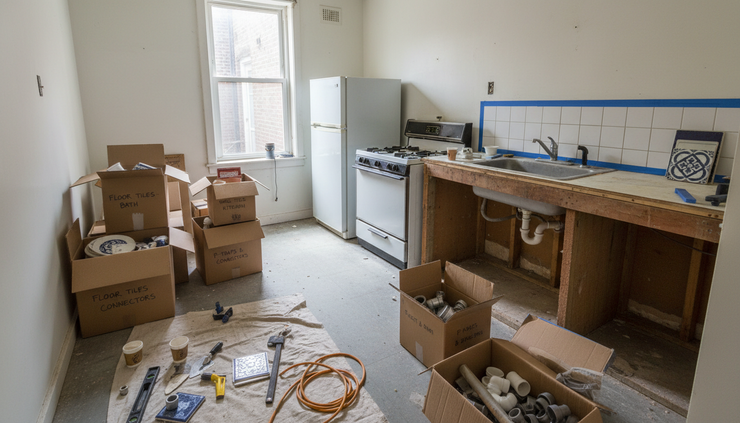
A capital expense usually improves the property, adds something new, extends useful life, or creates a lasting benefit. These costs are not usually deducted in full in the year paid. They are added to the appropriate asset class and may be deducted over time through CCA, if claimed.
Examples may include:
Replacing the entire roof
Adding a new deck
Finishing a basement rental suite
Installing a new central air conditioning system
Completing a major renovation that upgrades the property
The line between repair and capital improvement can be fact-specific. For example, replacing a few damaged shingles may be a repair. Replacing the entire roof with higher-quality materials may be capital.
When unsure, keep detailed invoices that describe the work. A vague receipt that says “renovation” is harder to support than an invoice that separates leak repair, appliance replacement, and new construction work.
Capital cost allowance can affect future taxes
Capital cost allowance, or CCA, allows a landlord to deduct part of the cost of certain capital assets over time. On T776, CCA is optional. A landlord can choose whether to claim it, up to the amount allowed.
This choice needs care.
CCA can reduce current rental income, but it can also affect future tax when the property is sold. If the property sells for more than its undepreciated capital cost, some previously claimed CCA may be brought back into income as recapture.
There is another key rule: CCA generally cannot be used to create or increase a rental loss. If the property already has a loss before CCA, claiming CCA will usually not increase that loss.
CCA is especially sensitive when the rental property is also a principal residence. Claiming CCA on a portion of a home may affect the principal residence exemption or create issues when the use of the property changes. A homeowner who rents out a basement suite, laneway unit, or part of a principal residence should get advice before claiming CCA.
Part-year rentals and personal use need allocation
Not every property is rented for the full year. Some landlords rent a vacation property for part of the year and use it personally at other times. Others rent a basement suite in a home they live in.
In these cases, income and expenses need to be allocated reasonably.
Common allocation methods include:
Square footage used for rental versus personal use
Number of rooms used for rental versus personal use
Number of days the property was rented versus personally used
A combination of space and time
For example, if 30% of a home is used as a separate rental suite for the full year, the landlord may claim 30% of shared costs such as property tax, insurance, and utilities, if those costs relate to the rental. If the same suite was rented for only half the year, the claim may need a time adjustment as well.
The method should make sense and be supported by records. A simple floor plan, utility bills, photos of the rental area, lease dates, and calculations can help show how the rental percentage was determined.
Short-term rentals may need extra attention
A property listed for short-term stays can still be reported as rental income in many cases, but the facts matter. If the owner provides significant services, such as regular cleaning during stays, meals, tours, or hotel-like services, the activity may start to look more like business income than passive rent.
There may also be GST/HST issues for short-term accommodation in certain situations. Long-term residential rent is generally treated differently from short-term stays. Rules can vary based on the type of rental, the length of stay, and the amount of taxable supplies.
Local rules also matter. Many municipalities and provinces have licensing, zoning, and registration rules for short-term rentals. These rules are separate from income tax, but they can affect whether the activity is lawful and how records should be kept.
What flows from T776 to the personal tax return
After income, expenses, ownership share, and any CCA are calculated, T776 produces the rental result.
For a personal tax return, gross rental income and net rental income are generally reported on the T1 return. The net amount is what affects taxable income. A positive net rental amount increases income. A properly supported rental loss may reduce income, subject to CRA rules and the facts.
This is why accuracy matters. A mistake on T776 can affect more than one line on a return. It can also influence future sale reporting, CCA recapture, capital gains calculations, and principal residence issues.
Common mistakes landlords should avoid
Many T776 problems come from a few repeat errors.
Watch for these common issues:
Reporting gross rent but forgetting related rental expenses
Deducting mortgage principal instead of only mortgage interest
Claiming 100% of expenses for a partly rented home
Mixing personal repairs with rental repairs
Treating major improvements as current expenses
Splitting income incorrectly between co-owners
Claiming CCA without understanding future recapture
Failing to keep invoices and payment records
Reporting deposits incorrectly
Changing reporting methods without a clear reason
Good reporting is not about being aggressive. It is about being complete and consistent.

A practical T776 checklist before filing
Before preparing T776, collect the core documents first. This reduces guesswork and helps avoid missed deductions.
Useful records include:
Lease agreements and renewal notices
Rent payment records
Bank statements showing deposits and expenses
Mortgage interest statements
Property tax bills
Insurance invoices
Utility bills
Condo fee statements
Repair and maintenance invoices
Legal and accounting invoices
Property management statements
Travel logs, if claiming travel or vehicle costs
Renovation invoices with detailed descriptions
Ownership documents for co-owned property
Then confirm the main tax questions:
Was the property rented for the full year or part of the year?
Was any part of the property used personally?
Who owns the property, and in what percentage?
Were expenses current repairs or capital improvements?
Will CCA be claimed or left unused?
Is the activity ordinary long-term rental, short-term rental, or something closer to a business?
A clean T776 starts with clear facts. The form is only the final summary.
The real takeaway for Canadian landlords
T776 is more than a place to total rent. It is the working paper that connects rental income, property expenses, ownership share, capital assets, and the amount that enters a personal tax return.
For a simple single-owner condo rental, the process may be straightforward. For a co-owned property, basement suite, vacation rental, major renovation, or short-term rental, small choices can have long-term tax effects.
Keep records during the year, separate personal and rental costs, be careful with CCA, and get professional advice when the facts are not simple. A well-prepared T776 helps make the tax return more accurate today and protects the file when the property is sold later.



Comments